Revitalize Your Home: Vital Details On Residential Improvement Projects for Each House Owner
Many householders want to find ways to improve their residences via professional remodeling. These renovations extend starting with kitchen improvements to full house remodeling. Knowing the choices accessible is essential for making informed decisions. Moreover, one must consider practical considerations such as setting a budget and choosing the right builder. As householders start this endeavor, they may find themselves facing surprising obstacles. Achieving a successful makeover lies in thorough design and performance. What are the next necessary steps?
Knowing the Various Categories of Residential Renovation Work
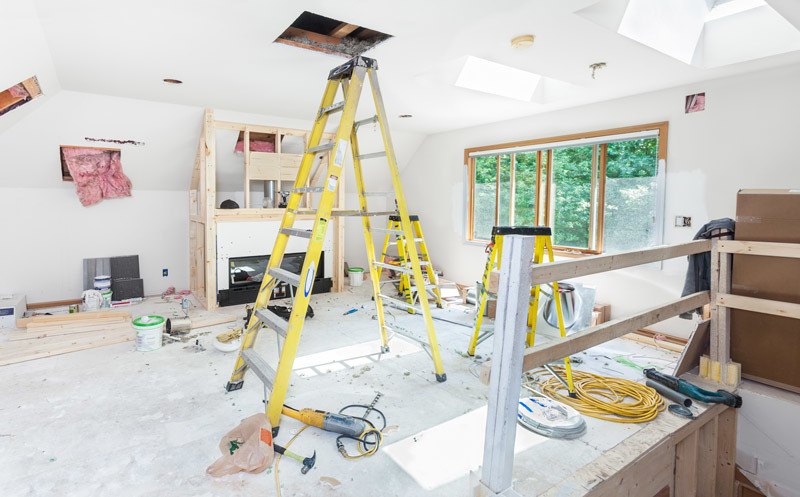
When property owners think about upgrading their residences, they typically find many different types of services suited to various requirements and preferences. These options can be widely classified into a few distinct groups, each addressing specific aspects of house upgrades. Renovating the kitchen involves updating appliances, storage units, and layouts to improve usability and the look. Bathroom remodeling typically involves updating the hardware, the ceramic work, and shelving options for improved comfort and style.
Full-house renovation covers major alterations across the property, often including structural alterations to make the most of the space and layout. Outdoor renovation projects, in contrast, focus on boosting the home's outward appearance, dealing with the cladding, the roof, and the yard. Moreover, niche projects such as completing the basement and attic conversions help residents make the most of neglected parts of the home. All these service types provides distinct advantages, enabling homeowners to choose options that fit their desired outcome for their home life. Grasping these differences is crucial to making informed decisions while undertaking the upgrade.
Setting a Realistic Budget for Your Renovation Undertaking
How can homeowners guarantee their renovation work stays within budget? Establishing a realistic budget is necessary. It is advisable for homeowners to begin by determining their fiscal limits, covering savings and possible funding sources. This first stage helps establish the amount that can be set aside for the renovation while maintaining other fiscal obligations.
Next, homeowners must research the costs associated with their desired renovations, including materials, labor, and surprise expenses that tend to crop up. Developing a comprehensive priority list aids in identifying must-haves versus nice-to-haves, enabling modifications if the finances are strained.
It's wise to include a contingency fund, typically around 10-20% of the total budget, to account for surprise expenditures. Frequently checking and modifying the budget during the renovation project can also help maintain financial control. In the end, a carefully structured budget not only guarantees project viability but also enhances the overall remodeling experience for property owners.
Finding the Best Contractor for Your Needs.
Finding a suitable builder has a major influence on the success of a remodeling project. It is recommended that homeowners start by doing comprehensive research, asking for referrals from friends, family, or internet reviews. It’s vital to verify credentials, such as licenses, insurance, and surety bonds, to establish credibility.
When prospective builders are located, property owners must ask for comprehensive quotes and schedules, facilitating well-grounded side-by-side evaluations. Discussions reveal their approach to dialogue and their level of expertise, which are essential for a collaborative process.
Furthermore, examining previous work via portfolios or referrals demonstrates the professional's skill level. It is wise to question them regarding warranties or safeguards, indicating the builder's certainty about their services.
Finally, picking a builder whose approach fits the property owner's ideas, cost plan, and timeframe creates a better renovation journey, making certain the outcome satisfies needs and successfully updates the home's interior.
Planning and Designing Your Ideal Space.
As those renovating imagine their desired rooms, careful planning and thoughtful design form vital parts of a successful remodeling project. The beginning stage requires reviewing existing necessities and future desires, allowing for a thorough understanding of how the space will be used. Homeowners should consider practicality, aesthetics, and their individual taste, making sure the design captures their distinctive choices.
Following this, establishing a thorough budget is crucial. This budget should cover materials, workforce costs, and potential unforeseen expenses. Engaging with design professionals can offer helpful perspectives, assisting in explore here improving the layout while sticking to budgetary constraints.
Including features such as natural light, spacious designs, and sustainable materials can elevate the living environment. Finally, seeing the project via mock-ups or 3D visualizations can aid in refining ideas before starting the work. By approaching the planning and design phase with intention, homeowners can create an inviting, efficient space suited to their way of life.
Navigating Permits and Regulations in House Renovation
Grasping the intricacies of permits and rules can be challenging for homeowners starting on a remodeling project. Every local government sets particular guidelines that govern what can be done during renovations, often influenced by zoning laws, construction standards, and security requirements. Owners need to acquaint themselves with local regulations to avoid costly fines or setbacks in the timeline.
Generally, securing permits is essential for major changes, such as structural changes or electrical work. This process usually necessitates providing designs for examination and may require inspections at various stages.
Hiring an experienced builder can make this procedure easier, as they are usually well-versed in local regulations and can aid in filing necessary forms. Homeowners should also keep communication open with the municipal planning office to verify legality throughout the project. By grasping and navigating these regulations, homeowners can meet their renovation objectives while ensuring safety and legality in their renovations.
Frequently Asked Questions
How Much Time is Needed for a Typical Remodeling Job?

A standard home renovation generally requires between three to six months, depending on the scope of work, scale of the house, and availability of materials. Complex projects may require additional time for completion.
What are the typical errors you should steer clear of during remodeling?
Typical pitfalls in the remodeling process include miscalculating costs, neglecting permits, not adhering to the project schedule, not maintaining clear communication with contractors, and failing to think about long-term functionality. Awareness of these pitfalls often results in a smoother, more positive renovation outcome.
How do I choose the appropriate materials for the job?
Selecting appropriate supplies requires assessing durability, the look and feel, and cost constraints. Researching options, consulting professionals, and thinking about upkeep can greatly aid in making informed decisions, making sure the renovation matches your functional and aesthetic goals.
Is it possible to stay in my house throughout the construction phase?
It is possible to remain on the premises during renovations, but it may lead to inconvenience. Careful planning, effective coordination with the renovation team, and designating specific areas for daily use will reduce the inconvenience throughout the project.
What kind of coverage should be provided from remodeling contractors?
You should anticipate receiving warranties for the labor performed, materials, and the integrity of the structure, which usually last between one to ten years. It is crucial to review the exact provisions in partnership with the renovation company to clearly grasp what is covered and what is excluded.